

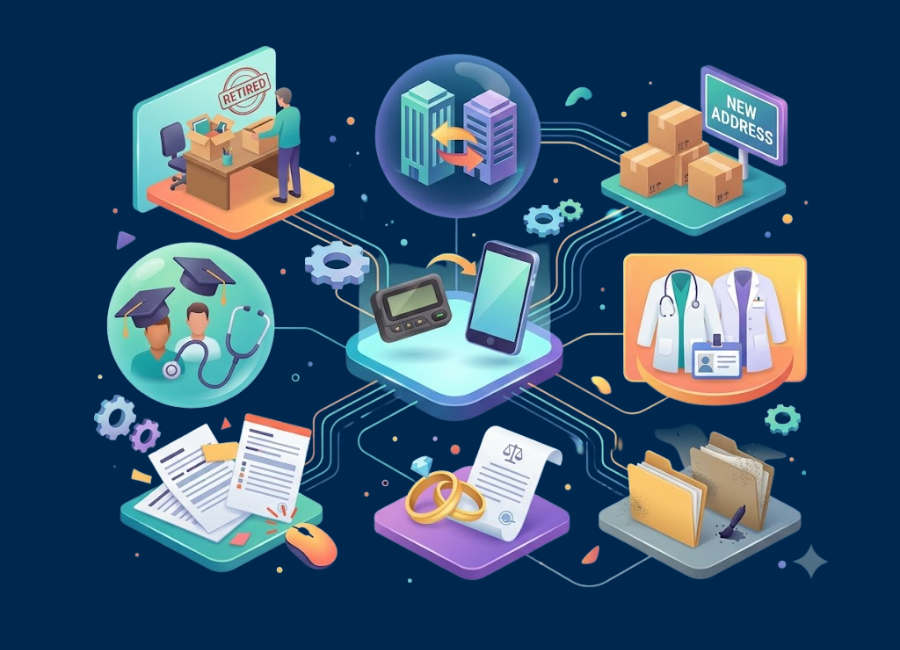
Accurate Healthcare Contact Data is essential for connecting businesses with verified healthcare professionals, including doctors, surgeons, pharmacists, and hospital decision-makers. It ensures that outreach is precise, relevant, and reaches the right audience at the right time.
In healthcare marketing, accurate, up-to-date healthcare databases and healthcare email lists drive better engagement, higher conversions, and stronger ROI. Outdated or poor-quality data increases bounce rates, weakens campaign performance, and wastes marketing resources.
Why Healthcare Contact Data Becomes Outdated
Healthcare contact data becomes outdated because the healthcare industry is constantly changing. Medical professionals frequently switch hospitals, change roles, or move into new specialties, which can make existing records inaccurate. Even well-maintained healthcare databases and email lists lose accuracy without regular updates.
Another reason is the lack of continuous verification by some healthcare data providers, allowing outdated records to remain active. Hospital mergers, restructuring, regulatory changes, and evolving communication systems also accelerate data decay, reducing deliverability, targeting accuracy, and overall campaign performance.
1. Staff Turnover in Healthcare
One of the main reasons healthcare contact data becomes outdated is the high turnover of healthcare professionals. Doctors, nurses, and administrative staff often change jobs, move to different hospitals, or switch specialties, making existing contact information inaccurate.
As these changes occur, email addresses, phone numbers, and job titles are updated, creating gaps in healthcare databases if records are not refreshed regularly. This can lead to bounced emails, missed connections, and reduced campaign performance for businesses that use healthcare contact data.
2. Hospital Mergers & Acquisitions
Mergers and acquisitions can quickly make healthcare contact data outdated. When hospitals merge or clinics are acquired, departments are often reorganized, renamed, or relocated, leading to changes in contact information.
If healthcare databases are not updated promptly, these changes can result in duplicate or outdated records. Businesses using outdated healthcare contact data may target inactive or incorrect contacts, reducing the effectiveness of their outreach campaigns.
3. Lack of Real-Time Updates
Many healthcare databases are not updated in real time, making healthcare contact data outdated. Since updates are often made periodically, changes in job roles, organizations, or contact details may not be reflected immediately.
During this delay, outdated information remains in healthcare email lists, leading to inaccurate records and reduced campaign performance. While many modern healthcare data platforms now use real-time verification, some systems still rely on delayed updates.
4. Outdated Licensing Records
Healthcare professionals must maintain active licenses and certifications, but these records are not always updated immediately in healthcare databases. As a result, inactive or non-practicing professionals may continue to appear in healthcare contact data, reducing the overall accuracy and reliability of the records.
This can create challenges for businesses using healthcare email lists, as they may reach contacts who are no longer practicing or have changed their professional status. Reliable healthcare database providers regularly verify licensing information and update records to ensure more accurate data and improve outreach performance.
5. Poor Data Verification
Poor verification processes are one of the biggest contributors to outdated Healthcare Contact Data. Some providers fail to regularly validate emails, phone numbers, and job roles. This leads to duplicate entries, invalid contacts, and outdated records in healthcare databases. Over time, these errors accumulate and significantly reduce data quality.
Businesses using unreliable healthcare email lists often experience low engagement rates and wasted outreach efforts. High-quality healthcare database providers use
6. Department Transfers
Healthcare professionals often move between departments within the same hospital or healthcare organization. For example, a doctor may transition from general medicine to cardiology or move from clinical practice into an administrative role, resulting in changes to their responsibilities and contact details.
Although they remain with the same organization, these internal role changes can create inaccuracies in healthcare mailing lists and reduce targeting precision. Without regular updates to track these movements, healthcare contact data becomes less reliable for role-based marketing and communication campaigns.
7. Compliance & Regulatory Changes
Data protection regulations such as GDPR and HIPAA have a significant impact on healthcare contact data. These regulations require organizations to regularly review, update, and remove outdated or non-compliant records to maintain data accuracy and protect personal information.
As compliance requirements evolve, healthcare databases and email lists are frequently updated, which can affect contact availability and data completeness. While these changes improve privacy and regulatory compliance, they also underscore the ongoing need for accurate, regularly updated healthcare contact data.
8. Communication System Changes
The healthcare industry is rapidly adopting digital communication systems, replacing older legacy systems with cloud-based platforms and electronic health records. These technological shifts often change email domains, contact formats, and internal directories, making older Healthcare Contact Data obsolete.
As a result, outdated healthcare email lists may contain inactive or incorrect communication channels. Modern healthcare data platforms must continuously adapt to these changes to maintain accuracy.
9. Infrequent Database Maintenance
One of the most critical issues is poor maintenance by some healthcare database providers. Without regular cleaning, verification, and updates, databases quickly become outdated. Over time, duplicate entries, invalid contacts, and outdated information accumulate in Healthcare Database systems, reducing their effectiveness.
This directly impacts businesses that rely on Healthcare Contact Data for marketing and outreach, resulting in poor ROI and low engagement.
Consistent maintenance and frequent updates are essential for ensuring data reliability.
How Businesses Can Maintain Accurate Healthcare Contact Data
- Proactive Data Management: Businesses should actively manage Healthcare Contact Data rather than relying solely on providers, ensuring continuous updates and better control over data quality.
- AI-Based Validation: Using AI-powered tools helps detect inaccurate, duplicate, or outdated records in healthcare databases, improving overall data reliability.
- CRM Integration: Connecting CRM systems to healthcare data platforms ensures real-time data synchronization and reduces manual data-handling errors.
- Regular List Cleaning: Healthcare email lists should be frequently cleaned to remove inactive contacts, reduce bounce rates, and improve campaign performance.
- Trusted Data Providers: Working with reliable healthcare database providers ensures access to verified, compliant, and regularly updated Healthcare Contact Data.
- Data Enrichment: Enhancing records with missing details such as job roles, specialties, and departments improves segmentation and targeting accuracy.
- Continuous Verification: Ongoing validation processes help maintain long-term data accuracy and reduce data decay.
- Performance Monitoring: Tracking engagement metrics such as open and bounce rates helps quickly identify outdated or low-quality data.
How to Get Updated Healthcare Contact Data in 2026
- Proactive Data Sourcing: Businesses should rely on continuously updated Healthcare Contact Data instead of static lists to ensure accurate outreach and better campaign performance.
- Trusted Healthcare Database Providers: Partnering with providers like MedicoLeads ensures access to verified and regularly refreshed healthcare email lists.
- AI-Driven Data Platforms: Modern healthcare data platforms use AI validation, automation, and real-time checks to maintain accuracy and reduce outdated records.
- Data Quality Concerns: Inaccurate or unverified Healthcare Contact Data can lead to poor campaign results, low engagement, and wasted outreach efforts.
- Outdated Records: A Healthcare Contact Database must be updated regularly to reflect job changes, hospital updates, and industry shifts.
- Compliance Risks: Businesses should ensure healthcare database providers follow GDPR, HIPAA, and other data privacy regulations to maintain safe and compliant outreach.
- Limited Segmentation: Many databases lack advanced filtering options, making precise targeting of healthcare professionals more difficult.
Why Choose MedicoLeads for Healthcare Contact Data
- Over 14M+ verified healthcare contacts across global healthcare professionals.
- 85% deliverability, ensuring high email success and reduced bounce rates
- 95% Data Accuracy Rate for reliable Healthcare Contact Data
- 7-Tier Email Verification Process for deep validation and quality assurance
- Database Updated Every 45 Days to maintain fresh and relevant records
- Advanced Specialty-Based Targeting for precise segmentation across medical roles
Conclusion
Outdated Healthcare Contact Data is a common challenge that directly impacts marketing performance, lead generation, and outreach success in the healthcare industry. Factors such as staff turnover, organizational changes, lack of real-time updates, and poor database maintenance all contribute to declining data accuracy over time.
To overcome these challenges, businesses must rely on verified healthcare database providers, modern healthcare data platforms, and continuous data verification practices. Keeping healthcare email lists updated and well-segmented ensures better targeting, higher engagement, and improved ROI.
In today’s competitive environment, maintaining accurate Healthcare Contact Data is not optional it is essential for achieving consistent and successful healthcare marketing outcomes.