
How Inaccurate Healthcare Emails Hurt B2B Marketing?

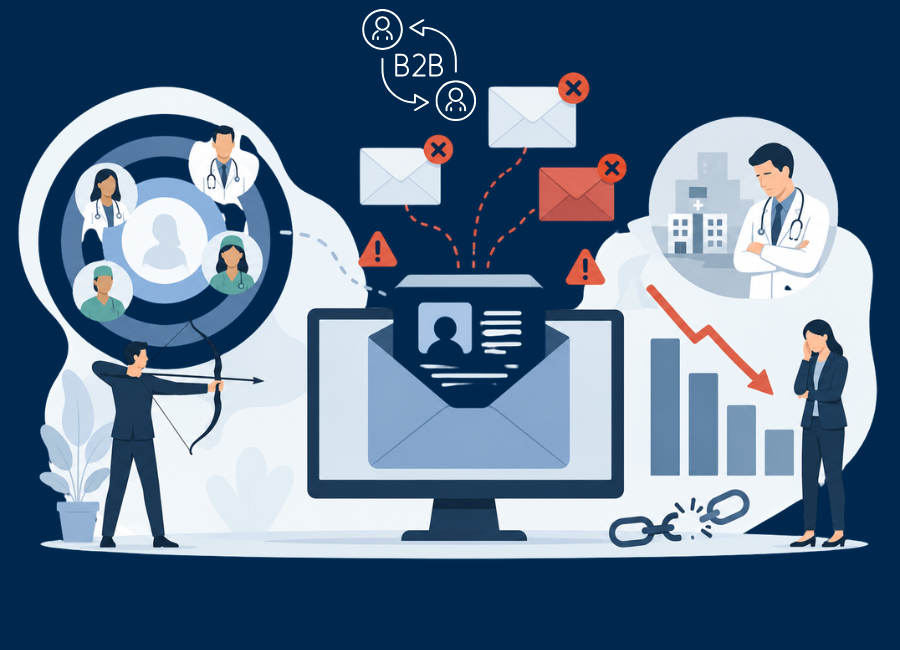
A Healthcare Email Database helps healthcare marketers, recruiters, SaaS providers, and medical vendors connect with physicians, hospital administrators, healthcare executives, and other key decision-makers.
However, using outdated or inaccurate healthcare contact data can lead to higher bounce rates, poor campaign performance, wasted marketing budgets, and missed revenue opportunities. In healthcare B2B marketing, data accuracy is essential because even the best email campaigns fail when they reach invalid contacts or the wrong audience.
This guide explains how inaccurate healthcare databases negatively impact marketing performance and why investing in verified healthcare data is essential for sustainable growth.
What Is a Healthcare Email Database?
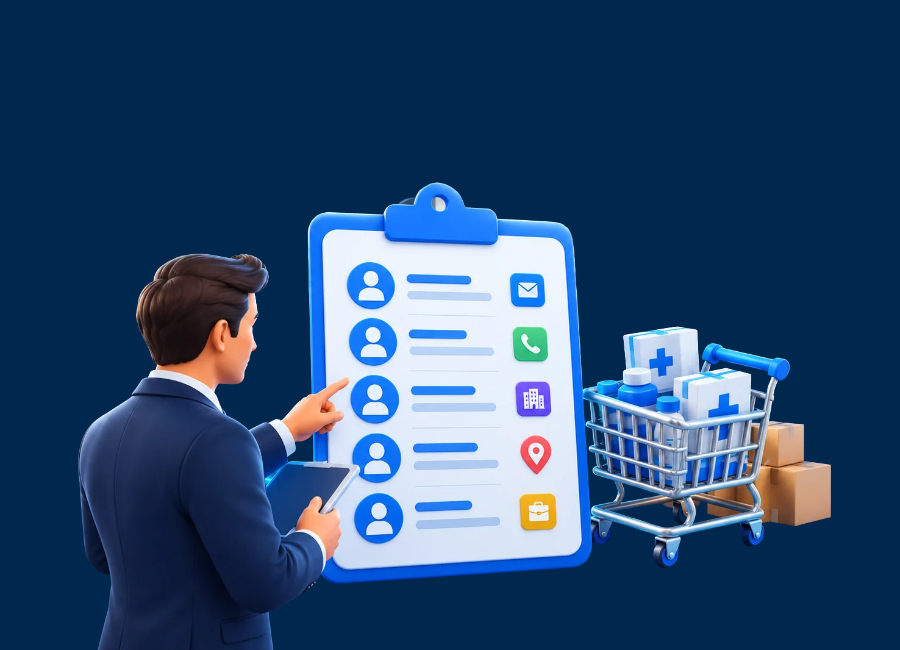
A Healthcare Email Database is an organized repository of contact details belonging to healthcare professionals and organizations. It generally contains the following information:
- Professional email addresses
- Full names
- Job titles
- Medical specialties
- Hospital affiliations
- Practice locations
- Phone numbers
- Company information
- Decision-maker details
Businesses use these databases to execute targeted B2B marketing campaigns, generate leads, build relationships, and promote healthcare products and services.
When kept accurate and consistently updated, a healthcare database serves as an effective resource for connecting with the appropriate audience at the right moment.
What Is a Healthcare Email Database?
Healthcare professionals frequently change roles, hospitals, departments, and organizations. Hospitals merge, clinics expand, and healthcare systems evolve constantly.
As a result, healthcare data can become outdated quickly.
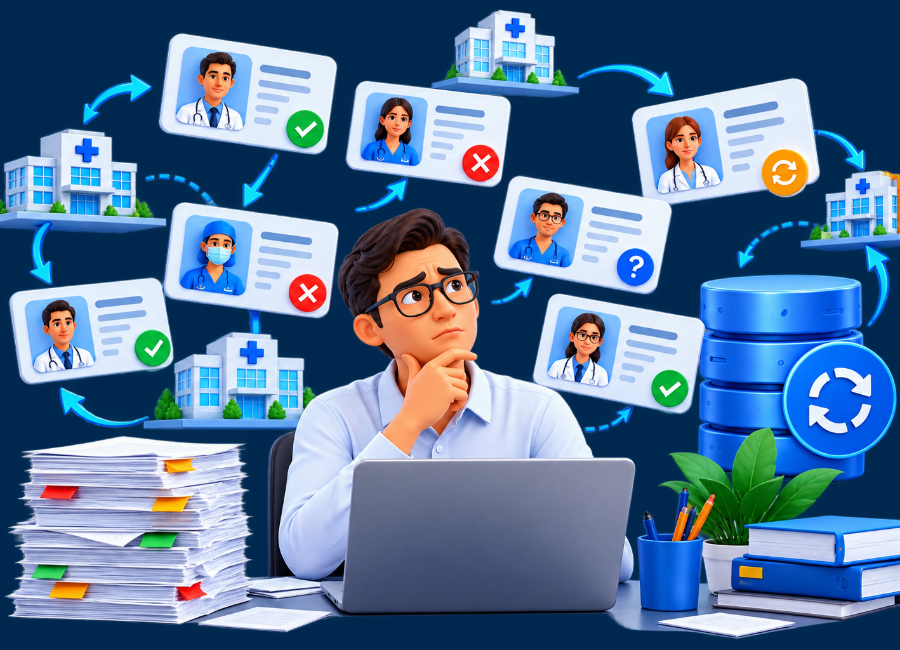
An inaccurate Healthcare Email Database may contain:
- Invalid email addresses
- Duplicate records
- Retired professionals
- Incorrect job titles
- Outdated hospital affiliations
- Missing contact information
These issues directly affect campaign performance and limit the effectiveness of your B2B marketing strategy.
How Inaccurate Healthcare Databases Harm Marketing Results
1. Higher Email Bounce Rates
One of the most immediate consequences of inaccurate healthcare data is an increase in email bounce rates.
When marketers send campaigns to outdated or invalid email addresses, messages fail to reach recipients.
Common causes include:
- Closed email accounts
- Employee departures
- Organization restructuring
- Incorrect email formats
High bounce rates signal poor data quality to email service providers.
As bounce rates increase, marketers experience:
- Lower deliverability
- Reduced campaign reach
- Declining engagement
- Poor marketing ROI
A verified Healthcare Email Database helps minimize these issues by ensuring emails reach active healthcare professionals.
2. Reduced Email Deliverability
Email deliverability determines whether messages reach inboxes rather than spam folders.
When organizations repeatedly send emails to invalid addresses, internet service providers begin viewing the sender as less trustworthy.
Over time, this can lead to:
- Spam filtering
- Blacklisting risks
- Lower inbox placement
- Reduced campaign visibility
Even if future campaigns target valid contacts, a damaged sender reputation can continue affecting performance.
For healthcare companies investing heavily in email marketing, poor deliverability translates directly into lost opportunities.
3. Wasted Marketing Budget
Every marketing campaign requires resources.
Costs often include:
- Email software subscriptions
- Marketing automation platforms
- Content creation
- Sales team efforts
- Campaign management
When inaccurate databases contain thousands of unusable records, businesses waste valuable budget targeting contacts who will never engage.
Instead of generating qualified healthcare leads, organizations end up paying to reach invalid or irrelevant recipients.
A clean Healthcare Email Database ensures that marketing resources focus on real decision-makers with the potential to convert.
4. Poor Lead Generation Performance
Lead generation is a primary objective of healthcare B2B marketing campaigns.
However, lead generation relies heavily on audience quality.
If marketers target the wrong contacts, they experience:
- Low open rates
- Poor click-through rates
- Few inquiries
- Reduced sales opportunities
For example, promoting hospital management software to outdated contacts or individuals who no longer hold decision-making positions significantly reduces campaign effectiveness.
Accurate healthcare data improves audience targeting and increases the likelihood of generating qualified leads.
5. Lower Conversion Rates
Marketing success is not measured solely by email delivery.
Businesses ultimately need conversions.
Inaccurate healthcare databases often include contacts who:
- Lack of purchasing authority
- Work in unrelated departments
- No longer fit the target audience.
- Have changed organizations
As a result, marketing messages reach individuals who cannot influence buying decisions.
This leads to:
- Lower conversion rates
- Longer sales cycles
- Reduced revenue generation
A verified Healthcare Email Database helps organizations connect directly with healthcare decision-makers who are most likely to purchase products or services.
6. Damaged Brand Reputation
Healthcare professionals receive hundreds of emails every week. Receiving irrelevant messages can create a negative perception of your brand.
Examples include:
- Contacting the wrong specialty
- Using outdated job titles
- Sending duplicate emails
- Addressing professionals incorrectly
These mistakes make businesses appear unprofessional and careless.
In healthcare, trust is critical. A poorly maintained database can harm brand credibility and reduce future engagement opportunities.
7. Ineffective Market Segmentation
Modern B2B marketing relies on segmentation.
Healthcare audiences vary significantly based on:
Specialty
Job role
Facility type
Geographic location
Purchasing authority
Accurate segmentation allows marketers to create personalized campaigns.
However, inaccurate databases make segmentation difficult.
Incorrect job titles or specialty information lead to mismatched messaging, reducing engagement and campaign relevance.
A reliable Healthcare Email Database provides the detailed data needed for effective audience segmentation.
8. Lost Sales Opportunities
Every invalid healthcare contact represents a potential missed opportunity. If your competitors reach healthcare decision-makers before you do, they gain an advantage in:
- Brand awareness
- Relationship building
- Product consideration
- Vendor evaluation
Inaccurate databases limit market coverage and prevent organizations from maximizing their outreach efforts. Over time, these missed connections can result in significant revenue losses.
9. Misleading Marketing Analytics
Marketing decisions depend on data. When campaigns target inaccurate contact lists, performance metrics become distorted.
Marketers may incorrectly assume:
- Messaging is ineffective
- Offers are unattractive
- Campaign timing is poor
In reality, the underlying issue may simply be poor-quality contact data. Accurate healthcare databases produce more reliable analytics, enabling better strategic decision-making.
10. Compliance and Risk Concerns
Healthcare marketing requires careful attention to privacy and data regulations.
Using poorly sourced or outdated databases may create compliance concerns related to:
- GDPR
- CAN-SPAM
- CCPA
- CASL
Responsible healthcare marketers should ensure their Healthcare Email Database comes from reputable providers that prioritize data quality, verification, and regulatory compliance.
Signs Your Healthcare Email Database Needs Updating
Many organizations continue using healthcare databases without realizing quality has declined. Common warning signs include:
- Bounce rates above industry averages
- Declining open rates
- Reduced lead generation
- Increasing spam complaints
- Low engagement levels
- Duplicate contacts
- Outdated job information
If these issues persist, it may be time to evaluate your healthcare data provider.
How Accurate Healthcare Data Improves B2B Marketing Results
When businesses invest in a verified Healthcare Email Database, they typically experience:
- Better Campaign Performance: Accurate contacts increase deliverability, engagement, and response rates.
- Improved Lead Quality: Sales teams receive more qualified opportunities from relevant healthcare professionals.
- Higher ROI: Marketing budgets generate better returns when campaigns target active decision-makers.
- Stronger Personalization: Detailed healthcare data enables highly targeted messaging.
- Faster Sales Cycles: Reaching the right stakeholders accelerates conversations and purchasing decisions.
Why Healthcare Marketers Choose MedicoLeads
When marketing success depends on accurate data, healthcare organizations need a provider they can trust. MedicoLeads delivers a verified Healthcare Email Database designed to help businesses connect with the right healthcare decision-makers and improve campaign performance.
Key advantages include:
- 14M+ Healthcare Contacts – Access a comprehensive database of healthcare professionals, executives, administrators, and decision-makers worldwide.
- 7+ Tier Verification Process – Every contact undergoes multiple validation checks to improve data quality and reduce bounce rates.
- 100% Opt-In Contacts – Reach healthcare professionals through permission-based data that supports compliant outreach campaigns.
- 95% Data Accuracy – Improve deliverability and engagement with regularly updated and verified healthcare contact information.
- Specialty-Based Targeting – Segment audiences by specialty, job title, facility type, geographic location, and healthcare role.
- Global Healthcare Coverage – Connect with healthcare professionals across hospitals, clinics, pharmaceutical companies, medical device firms, and healthcare organizations worldwide.
Whether you’re targeting physicians, hospital executives, nurses, healthcare administrators, pharmacists, or medical specialists, MedicoLeads provides the accurate data needed to support successful B2B marketing campaigns.
By prioritizing data verification and quality control, MedicoLeads helps businesses reduce bounce rates, improve email deliverability, generate qualified healthcare leads, and maximize marketing ROI.
Conclusion
An inaccurate Healthcare Email Database can quietly undermine every aspect of your healthcare marketing strategy. From higher bounce rates and lower deliverability to poor lead generation and lost sales opportunities, bad data creates significant barriers to growth.
Successful healthcare B2B marketing depends on reaching the right professionals with relevant messaging. Without accurate contact information, even the best campaigns struggle to achieve meaningful results.
Investing in a verified, regularly updated healthcare database helps organizations improve campaign performance, enhance audience targeting, increase conversions, and generate stronger returns on marketing investment.
For healthcare marketers seeking reliable healthcare contact data, choosing a trusted provider like MedicoLeads can make the difference between wasted outreach and measurable business growth.
FAQ's
How often should a Healthcare Email Database be updated?
Healthcare data should ideally be verified and updated continuously, as healthcare professionals frequently change roles, organizations, and contact information.
What is the biggest risk of using inaccurate healthcare data?
Can inaccurate healthcare databases affect email reputation?
Why is segmentation important in healthcare B2B marketing?
Why should healthcare marketers use MedicoLeads?
MedicoLeads provides verified healthcare contact data, specialty-based targeting, and regularly updated healthcare databases designed to improve marketing performance and lead generation results.
Healthcare marketers, medical device companies, pharmaceutical brands, recruiters, healthcare staffing firms, and SaaS providers all rely on accurate healthcare contact data to reach the right audience. However, finding a reliable healthcare email list provider can be challenging. With numerous vendors offering healthcare databases, it’s important to choose a source that prioritizes data accuracy, compliance, deliverability, and audience targeting.



Like any other agency, we like to brag too! Our team owns the work, but we’re much happier when our client contacts are in the spotlight to celebrate the success.