

The right provider isn’t the biggest, it’s the most relevant. MedicoLeads offers verified, role-segmented healthcare data built for precision outreach.
TABLE OF CONTENTS
B2B Healthcare Marketing is no longer about mass outreach and generic messaging. In 2026, the game has shifted toward precision, compliance, and real buyer intent. Healthcare decision-makers are more selective, inboxes are more crowded, and regulations are tighter than ever.
To stay competitive, marketers need strategies that don’t just reach audiences but actually convert them into sales-qualified opportunities. This is where data accuracy, targeting depth, and multi-channel engagement become critical.
In this blog, we break down four key trends shaping B2B healthcare marketing in 2026 and how businesses can use them to drive higher engagement, better targeting, and consistent pipeline growth.
1. Intent-Based Targeting is Replacing Broad Outreach

Intent-based targeting focuses on identifying prospects who are already showing interest in relevant healthcare solutions.
Traditional outreach relied on static contact databases. The problem? Low engagement and wasted effort. In contrast, intent-driven strategies prioritize prospects based on real behavioral signals.
High-intent signals include:
- Event and conference attendees
- Webinar registrations
- Content downloads and interactions
This approach ensures that marketing efforts are directed toward professionals who are more likely to engage and convert.
Why it works:
Intent data shortens the sales cycle and improves conversion rates by aligning outreach with actual buyer interest. For marketers, this means access to accurate, behavior-driven healthcare data is no longer optional, it’s the foundation of effective campaigns.
2. Account-Based Marketing (ABM) is Going Hyper-Personalized

Account-Based Marketing in healthcare is evolving from basic firmographic targeting to deep personalization driven by intent and role-specific insights.
Instead of targeting broad organizations, marketers are now focusing on specific decision-makers within healthcare institutions.
Modern ABM strategies include:
- Role-based messaging tailored to physicians, administrators, or procurement teams
- Personalized landing pages aligned with account needs
- Outreach sequences customized based on engagement behavior
The shift: From “targeting companies” → to “engaging individuals within accounts.”
Impact:
Hyper-personalized ABM increases response rates, builds stronger relationships, and accelerates deal closures.
To execute this effectively, businesses need highly segmented and verified healthcare contact data that enables precise targeting at scale.
3. Compliance-First Marketing Builds Trust and Conversions

With regulations like GDPR and CAN-SPAM shaping outreach practices, compliance has become a core part of B2B healthcare marketing strategy.
Healthcare professionals are more likely to engage with brands that demonstrate transparency and ethical data usage.
Key compliance elements include:
- Verified, opt-in contact data
- Clear data sourcing and consent
- Responsible outreach frequency
Non-compliant campaigns not only risk penalties but also damage brand credibility and reduce deliverability.
Why it matters:
Compliance improves email deliverability, builds trust, and increases the likelihood of meaningful engagement.
For marketers, working with a reliable data provider ensures that outreach efforts remain both effective and regulation-ready.
4. Omnichannel Outreach is Replacing Single-Channel Campaigns
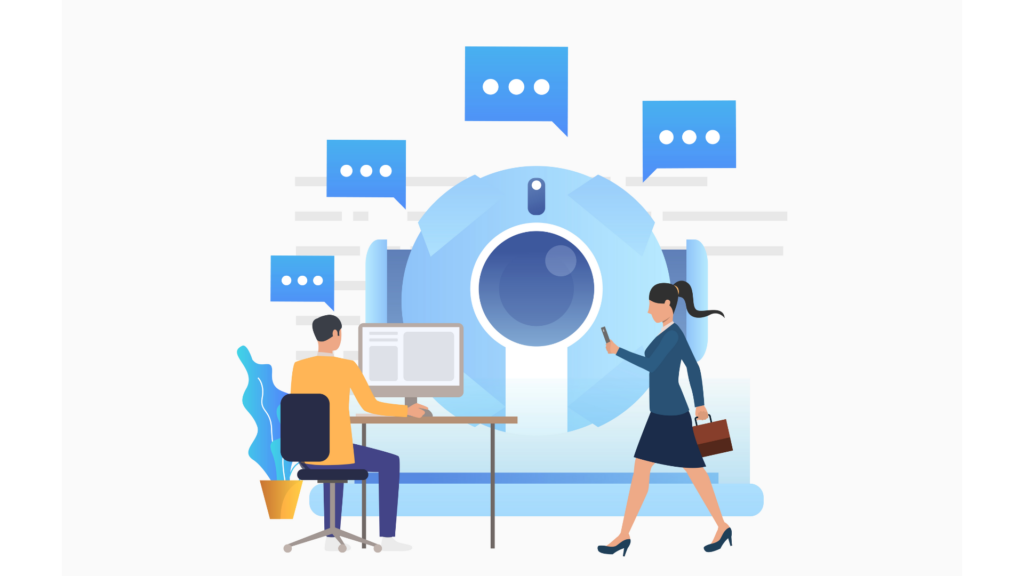
Omnichannel outreach means engaging prospects across multiple channels in a coordinated and consistent way.
Relying on a single channel like email is no longer effective in reaching busy healthcare professionals.
Modern outreach channels include:
- Email campaigns
- LinkedIn engagement
- Direct calling
Typical high-performing sequence:
- Step 1: Email introduction with value-driven messaging
- Step 2: LinkedIn connection and content engagement
- Step 3: Follow-up call for direct interaction
This multi-touch approach increases visibility, builds familiarity, and improves response rates.
Why it works:
Different decision-makers prefer different channels. Omnichannel strategies ensure consistent engagement across touchpoints, leading to higher conversion rates.
Conclusion
B2B Healthcare Marketing in 2026 is defined by precision, personalization, compliance, and multi-channel engagement. Broad outreach is fading, replaced by strategies that prioritize intent, accuracy, and trust.
Businesses that adopt these trends will not only improve engagement but also build a stronger and more predictable pipeline of qualified prospects.
To make these strategies work, one factor remains critical: access to reliable, verified, and highly targeted healthcare data.
This is where MedicoLeads stands out as a leading healthcare data provider, enabling marketers to connect with the right audience, at the right time, with the right message. By combining data accuracy with segmentation depth, MedicoLeads helps businesses turn outreach into measurable growth.
FAQs
1. What is B2B Healthcare Marketing?
B2B Healthcare Marketing refers to promoting medical products, services, or solutions to healthcare organizations such as hospitals, clinics, and pharmaceutical companies. It focuses on data-driven targeting, ROI-based messaging, and engaging decision-makers like physicians and administrators.
2. Why is data accuracy important in B2B Healthcare Marketing?
Accurate data ensures that marketing campaigns reach the right healthcare professionals, reducing bounce rates and improving engagement. Verified and targeted data also increases conversion rates by connecting businesses with genuinely interested prospects.
3. What are the Best channels for B2B Healthcare Marketing in 2026?
The most effective channels include email marketing, LinkedIn outreach, and direct calling. A combined omnichannel approach delivers better results by engaging prospects across multiple touchpoints instead of relying on a single channel.
4. How does intent-based targeting improve results?
Intent-based targeting identifies prospects who are actively showing interest through actions like attending events or downloading content. This allows marketers to focus on high-quality prospects, leading to higher engagement and faster conversions.
How does MedicoLeads improve B2B Healthcare Marketing?
MedicoLeads provides verified, highly targeted healthcare contact data that helps businesses reach the right decision-makers. With accurate segmentation and compliant data, it enables more effective outreach, better engagement, and higher conversion into qualified opportunities.
Contact Us