

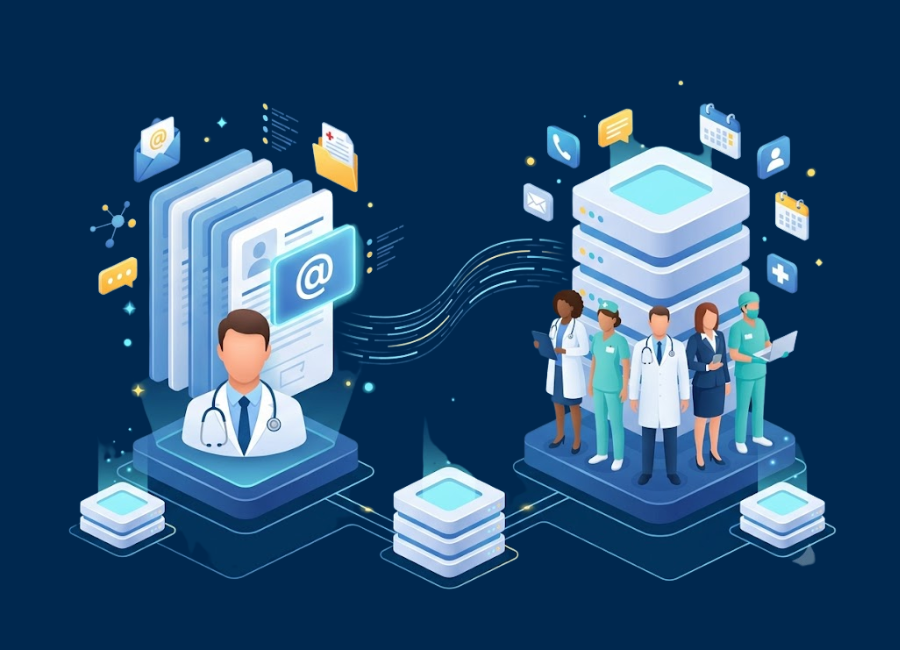
Reaching healthcare professionals effectively starts with having access to accurate and relevant contact data. Whether you’re a healthcare technology provider, medical device manufacturer, pharmaceutical company, staffing agency, healthcare consultant, or B2B service provider, your marketing success depends on connecting with the right audience.
However, many organizations use the terms physician email database and healthcare contact database interchangeably, even though they serve different purposes. Understanding the distinction between these two data resources can help businesses improve targeting, increase campaign performance, and maximize marketing ROI.
In this guide, we’ll explore the key differences between a physician email database and a healthcare contact database, their use cases, benefits, and how to determine which option best fits your outreach goals.
Why Healthcare Data Matters in B2B Marketing
Healthcare remains one of the most specialized and highly regulated industries. Decision-makers often have unique responsibilities, varying levels of influence, and distinct information needs.
Without accurate contact data, organizations face several challenges:
- Low email engagement rates
- Poor lead quality
- Inefficient marketing spend
- Difficulty reaching decision-makers
- Reduced campaign effectiveness
A targeted database helps businesses identify qualified prospects, personalize outreach, and deliver relevant messaging to the right audience. The first step is understanding which type of healthcare data aligns with your business objectives.
What Is a Physician Email Database?
A physician email database is a specialized collection of verified contact information for physicians and medical practitioners. It focuses exclusively on doctors across various specialties, healthcare facilities, and practice settings.
A typical database may include:
- Physician name
- Email address
- Medical specialty
- Job title
- Practice affiliation
- Geographic location
- Contact number
- NPI information
- Years of experience
Businesses often use a physician email database to connect directly with physicians who influence clinical decisions, technology adoption, patient care processes, or purchasing recommendations. Because the audience is highly focused, marketers can create more personalized and relevant campaigns.
What Is a Healthcare Contact Database?
A healthcare contact database contains a broader range of healthcare professionals and decision-makers.
Instead of focusing exclusively on physicians, it may include:
- Physicians
- Nurses
- Pharmacists
- Hospital administrators
- Healthcare executives
- Practice managers
- IT leaders
- Procurement professionals
- Clinical directors
- Healthcare consultants
Organizations typically use a healthcare contact database when they need to engage multiple stakeholders involved in healthcare purchasing and operational decisions.
This broader audience can be valuable for enterprise healthcare solutions, consulting services, healthcare technology platforms, and workforce solutions.
Key Difference #1: Audience Scope
Physician Email Database
Focused exclusively on physicians and medical doctors.
Examples include:
- Cardiologists
- Dermatologists
- Oncologists
- Orthopedic Surgeons
- Pediatricians
- Neurologists
- Family Medicine Physicians
Healthcare Contact Database
Includes healthcare professionals across clinical, operational, administrative, and executive functions.
Examples include:
- Chief Medical Officers
- Hospital Administrators
- Nurse Practitioners
- Procurement Managers
- Healthcare Executives
- IT Directors
If your campaign specifically targets doctors, a physician email database offers greater precision and relevance.
Key Difference #2: Marketing Objectives
Different business goals require different data resources. A Physician Email Database supports targeted physician outreach, while a Healthcare Contact Database enables broader healthcare engagement. Selecting the right database helps improve campaign effectiveness and results.
When to Use a Physician Email Database
A physician email database is often used for:
- Physician recruitment
- Medical education outreach
- CME promotions
- Pharmaceutical marketing
- Medical device promotion
- Clinical research recruitment
- Specialty-specific solutions
These initiatives typically require direct physician engagement and focused communication.
When to Use a Healthcare Contact Database
A healthcare contact database is more suitable for:
- Enterprise healthcare software marketing
- Hospital technology solutions
- Revenue cycle services
- Healthcare consulting
- Staffing solutions
- Healthcare cybersecurity services
These offerings often involve multiple stakeholders beyond physicians.
Key Difference #3: Segmentation Capabilities
Audience segmentation is essential for improving healthcare marketing performance and delivering more relevant communications.
When Using a Physician Email Database
A physician email database enables organizations to segment contacts based on physician-specific attributes, including:
- Specialty
- Sub-specialty
- Practice size
- Geographic location
- Hospital affiliation
- Board certification
- Experience level
These segmentation options help businesses create personalized campaigns that align with physicians’ professional interests, specialties, and practice needs.
When Using a Healthcare Contact Database
A healthcare contact database offers broader segmentation capabilities designed for reaching multiple decision-makers across healthcare organizations, such as:
- Department
- Job function
- Organization type
- Executive level
- Purchasing authority
- Facility size
This broader approach helps organizations target stakeholders involved in purchasing decisions, operations, technology adoption, and strategic planning across the healthcare ecosystem.
Key Difference #4: Campaign Personalization
Personalization has become essential in modern healthcare communications.
With a physician email database, organizations can tailor messaging to individual specialties.
For example:
- Cardiologists receive cardiovascular technology updates.
- Orthopedic surgeons receive surgical device information.
- Pediatricians receive pediatric healthcare resources.
This targeted approach often improves engagement and response rates.
A healthcare contact database supports personalization across a wider range of healthcare roles, making it useful for campaigns involving both clinical and administrative audiences.
Benefits of Using a Physician Email Database
Improved Targeting: Reach physicians who are most relevant to your products or services based on specialty, location, and professional profile.
Better Engagement: Personalized and relevant messaging helps increase engagement by improving open rates, click-through rates, and overall campaign performance.
More Qualified Leads: Focused targeting helps attract healthcare professionals who have a genuine interest and influence in purchasing decisions.
Enhanced Physician Outreach: A targeted physician email list enables direct communication with doctors who impact clinical, operational, and business decisions.
Increased Marketing ROI: Targeted campaigns help reduce wasted marketing efforts, improve lead quality, and create more opportunities for conversions.
Organizations promoting physician-focused solutions can achieve stronger results by leveraging an accurate and dedicated physician database.
Benefits of Using a Healthcare Contact Database
A healthcare contact database helps organizations connect with multiple stakeholders, expand market reach, and support more effective healthcare marketing strategies.
Multi-Stakeholder Access: Reach decision-makers across healthcare purchasing, including physicians, executives, administrators, and department leaders.
Broader Market Coverage: Expand outreach beyond individual physicians to engage a wider range of healthcare professionals and organizations.
Support for Complex Sales Cycles: Healthcare decisions often involve multiple stakeholders and approval stages. A comprehensive database helps organizations connect with the right contacts throughout the process.
Account-Based Marketing Opportunities: A healthcare contact database enables marketers to target entire healthcare organizations, build stronger relationships, and support long-term account growth.
This broader access helps businesses develop more effective outreach strategies and improve engagement across the healthcare industry.
How Data Accuracy Impacts Campaign Success
Regardless of database type, data quality remains critical.
An outdated database can result in:
- High bounce rates
- Reduced deliverability
- Poor sender reputation
- Lower engagement
Organizations should prioritize providers that offer:
- Verified contact information
- Regular updates
- Data validation processes
- Compliance monitoring
- Specialty-level accuracy
A reliable physician email database helps marketers maintain effective communication with active healthcare professionals.
Choosing the Right Database for Your Business
The right solution depends on your target audience and campaign goals.
Choose a physician email database if you need to:
- Reach doctors directly
- Promote physician-focused products
- Conduct specialty-specific campaigns
- Improve physician engagement
Choose a healthcare contact database if you need to:
- Reach multiple healthcare stakeholders
- Support enterprise healthcare sales
- Target leadership teams
- Build organization-wide relationships
Many organizations use both resources to support different stages of the buyer journey.
Best Practices for Physician Outreach
Whether using a physician-focused database or a broader healthcare resource, follow these best practices:
- Segment audiences carefully.
- Personalize communications.
- Focus on educational content.
- Deliver specialty-specific messaging.
- Use data-driven insights.
- Maintain compliance standards.
- Regularly update contact information.
Successful physician outreach depends on relevance, trust, and accurate targeting.
The Future of Healthcare Data-Driven Marketing
As healthcare marketing becomes increasingly personalized, organizations are investing more heavily in segmentation and verified healthcare data.
Modern campaigns rely on accurate databases to support:
- Email marketing
- Account-based marketing
- Webinar promotion
- Content distribution
- Lead generation
- Healthcare recruitment
Businesses that leverage reliable healthcare data will be better positioned to connect with decision-makers and generate long-term growth.
Conclusion
Although often used interchangeably, a physician email database and a healthcare contact database serve different purposes. A physician database focuses on connecting with doctors, while a healthcare contact database provides access to a broader range of healthcare decision-makers.
Choosing the right database helps organizations improve targeting, engagement, and campaign performance. With accurate and verified contact data, businesses can build stronger connections with healthcare professionals and achieve better marketing outcomes.