


An Email List of Nursing Homes gives B2B marketers direct access to verified administrators and decision-makers inside long-term care facilities. If your goal is to promote healthcare products, staffing solutions, insurance services, or medical technology to senior care providers, targeted contact data is the most efficient starting point. It reduces guesswork and increases campaign precision.
The U.S. senior care market continues to expand due to aging demographics and rising demand for skilled nursing services. This growth makes accurate facility-level outreach critical for vendors competing in a regulated and compliance-driven environment aligned with CAN-SPAM standards.
In this guide, you will learn how a structured nursing home database improves targeting, segmentation, compliance, and measurable ROI for modern B2B senior care campaigns.
What Is an Email List of Nursing Homes?
An Email List of Nursing Homes is a structured B2B database containing verified contact details of skilled nursing facilities, long-term care centers, and rehabilitation homes. It connects marketers directly with facility-level decision-makers responsible for procurement, operations, staffing, and compliance.
In the U.S., nursing homes operate under strict federal and state regulations, making accurate targeting essential.
A nursing home email database organizes facility data into usable, segmented fields that support compliant outreach and measurable campaign execution.
Unlike generic healthcare lists, this dataset focuses specifically on licensed senior care facilities, ensuring industry relevance and higher engagement potential.
Core Data Components
A high-quality nursing home database typically includes:
- Facility name and address
- Administrator or Director-level contact
- Verified business email address
- Phone number
- Bed count and ownership type
- NAICS or SIC classification codes
These attributes allow marketers to customize their own by geography, facility size, and operational structure.
Validation and Compliance Framework
Reliable providers apply multi-step verification processes such as email validation checks, periodic data refresh cycles, and regulatory alignment with CAN-SPAM guidelines.
This structured validation improves deliverability, reduces bounce rates, and supports responsible B2B healthcare outreach within a compliance-driven industry.
Why B2B Senior Care Campaigns Need Targeted Nursing Home Data?
B2B senior care marketing requires precision because purchasing decisions in nursing facilities are centralized and role-specific. Administrators, Directors of Nursing, and procurement heads control budgets and vendor approvals. Without targeted data, outreach fails to reach the individuals who influence contracts and operational changes.
The U.S. long-term care sector operates under strict regulatory oversight and structured reimbursement systems. This makes buying cycles deliberate and data-driven. Campaigns must reflect that structure.
Targeting Accuracy Improves Engagement
Geographic segmentation allows marketers to align outreach with state-level sales territories and regional regulations.
Facility size segmentation, such as bed count, help tailor messaging for small independent homes versus multi-location chains.
Role-based targeting ensures communication reaches operational decision-makers rather than general inboxes.
Compliance Alignment Reduces Risk
Healthcare outreach must align with data compliance standards and verified business contact protocols.
Validated contact data, refreshed periodically, lowers bounce rates and protects sender reputation. High data accuracy directly supports sustainable campaign performance.
Conversion Efficiency Through Segmentation
Segmented campaigns generate stronger open rates and higher response quality because messaging addresses specific operational needs.
For example, staffing solutions resonate differently with large urban facilities than rural standalone centers. Precision enables contextual relevance.
Targeted nursing home data transforms outreach from broad exposure to measurable opportunity. In senior care marketing, structured segmentation leads to smarter allocation of budget, improved engagement metrics, and stronger return on investment.
Key Data Fields in a High-Quality Nursing Homes Email Database
A high-quality nursing homes email database must be structured for segmentation, validation, and campaign execution. The value of the dataset depends on the depth, accuracy, and usability of its fields. For B2B senior care marketers operating in the U.S. healthcare ecosystem, the following data attributes are essential:
- Facility Name
- Parent Organization Name (if applicable)
- Administrator Full Name
- Director of Nursing Name
- Job Title / Decision-Maker Role
- Verified Business Email Address
- Direct Phone Number
- Facility Phone Number
- Street Address
- City
- State
- ZIP Code
- County
- Geographic Region
- Number of Beds
- Facility Size Category
- Ownership Type (Private, Nonprofit, Government, Chain)
- Medicare / Medicaid Certification Status
- NAICS Code
- SIC Code
- Years in Operation
- Affiliation or Network Membership
- Website URL
- Fax Number
These fields enable geographic filtering, role-based targeting, compliance alignment, and operational segmentation. A database structured with this level of granularity supports measurable campaign planning, reduces outreach waste, and strengthens precision in B2B senior care marketing initiatives.
How Segmentation Improves Campaign ROI?
Segmentation directly increases campaign ROI by aligning outreach with facility-level needs, geographic markets, and decision-making authority. In U.S. senior care marketing, purchasing decisions are structured and role-driven. When campaigns are segmented correctly, engagement rates rise and wasted impressions decline.
Precision targeting converts budget into qualified opportunity rather than broad exposure.
Targeting Precision
Segmenting by job title ensures messaging reaches administrators, Directors of Nursing, or procurement leaders who control vendor selection.
Customizing by state or region aligns outreach with licensing requirements and territory-based sales operations.
This precision increases response relevance and shortens sales cycles.
Budget Efficiency
Geographic and facility-size segmentation to prevent spending on unqualified contacts.
For example, targeting 200+ bed facilities for enterprise software avoids wasting budget on small independent homes with limited infrastructure needs.
Lower bounce rates from validated data also protect sender reputation and improve deliverability performance.
Conversion Optimization
Segmented campaigns allow tailored messaging based on facility size, ownership type, or operational priorities.
When integrated into CRM and marketing automation systems, segmented datasets enable tracking by region, role, and facility type. This produces measurable attribution insights and performance benchmarking.
In senior care B2B marketing, segmentation reduces outreach waste, improves engagement quality, and increases the likelihood of contract-level conversations. It functions as a revenue driver by turning structured data into predictable, performance-focused growth.
Compliance, Accuracy, and Deliverability Standards
Compliance, data accuracy, and deliverability directly influence campaign performance, sender reputation, and brand credibility. In B2B healthcare marketing, outreach targets regulated healthcare environments where procurement decisions are formal and documentation-driven. Poor data governance increases legal exposure and reduces inbox placement rates.
Sustainable ROI depends on structured compliance and validated contact integrity.
Regulatory Compliance Standards
B2B email outreach in the U.S. must align with CAN-SPAM requirements, including clear identification, opt-out mechanisms, and transparent sender details.
If campaigns extend to international stakeholders, GDPR principles may apply to data handling and consent management. While HIPAA governs protected health information, marketers must ensure outreach does not involve sensitive patient data.
Non-compliance can trigger penalties, blacklist risks, and long-term sender domain damage.
Data Verification and Accuracy Processes
Reliable datasets undergo multi-step validation, including syntax checks, domain authentication, and role verification.
Periodic refresh cycles remove outdated contacts caused by role transitions common in healthcare administration. Suppression lists prevent re-targeting opted-out or invalid addresses.
Accurate data reduces bounce rates and protects sender scoring algorithms used by major email service providers.
Email Deliverability and List Hygiene Practices
Deliverability depends on list hygiene discipline. This includes bounce monitoring, engagement tracking, and removal of inactive contacts.
Clean lists improve inbox placement and reduce spam flagging patterns. Integration with CRM and marketing automation systems further supports real-time performance tracking.
In healthcare B2B campaigns, compliance and data integrity are operational safeguards. They protect brand reputation, sustain deliverability, and create a stable foundation for measurable marketing returns.
How to Use an Email List of Nursing Homes for Multi-Channel Campaigns
A nursing homes email list enables coordinated outreach across digital and offline channels using a single, structured dataset. In U.S. senior care marketing, where decision-making is layered and formal, synchronized messaging improves engagement continuity and pipeline velocity. Unified data ensures each touchpoint reinforces the same value proposition.
When integrated into CRM and automation systems, structured contact data supports measurable, cross-channel attribution.
Email Marketing Campaigns
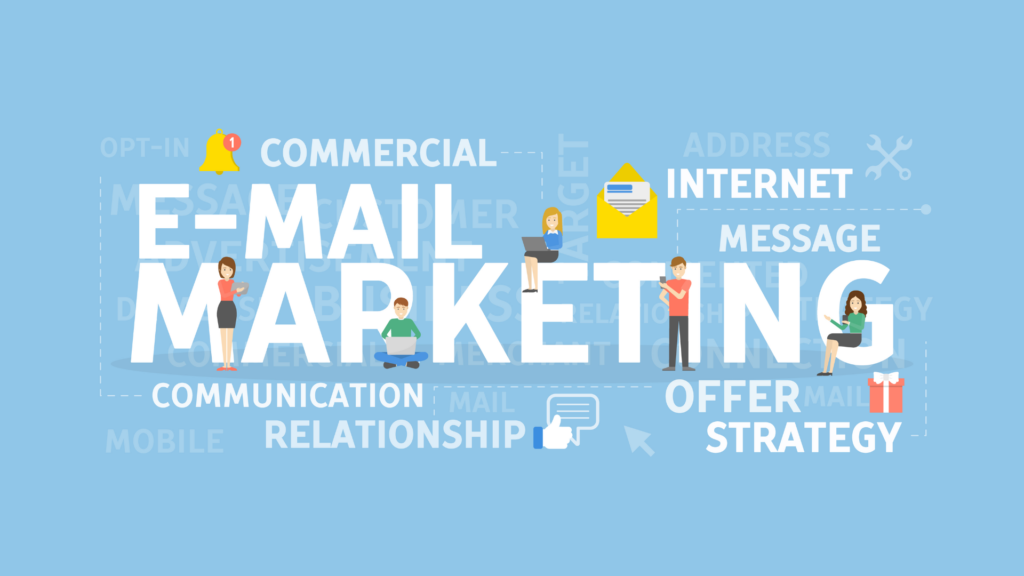
Segmented email campaigns allow targeted communication based on job role, facility size, or geography.
Marketers can promote case studies, compliance updates, product launches, or webinar invitations tailored to operational priorities within nursing facilities.
Performance metrics such as open rate, click-through rate, and response rate provide direct engagement signals.
LinkedIn and Sales Outreach Alignment

Verified administrator and executive data can be aligned with LinkedIn outreach for coordinated engagement.
Sales teams can reference prior email interactions to personalize connection requests and follow-up messages.
This alignment reduces cold outreach friction and supports account-based strategies for larger nursing home groups.
Direct Mail and Telemarketing Integration

Physical address and phone data allow follow-up through direct mail or structured call campaigns.
For high-value accounts, combining email engagement signals with phone outreach increases the likelihood of live conversations.
Retargeting and CRM Workflows
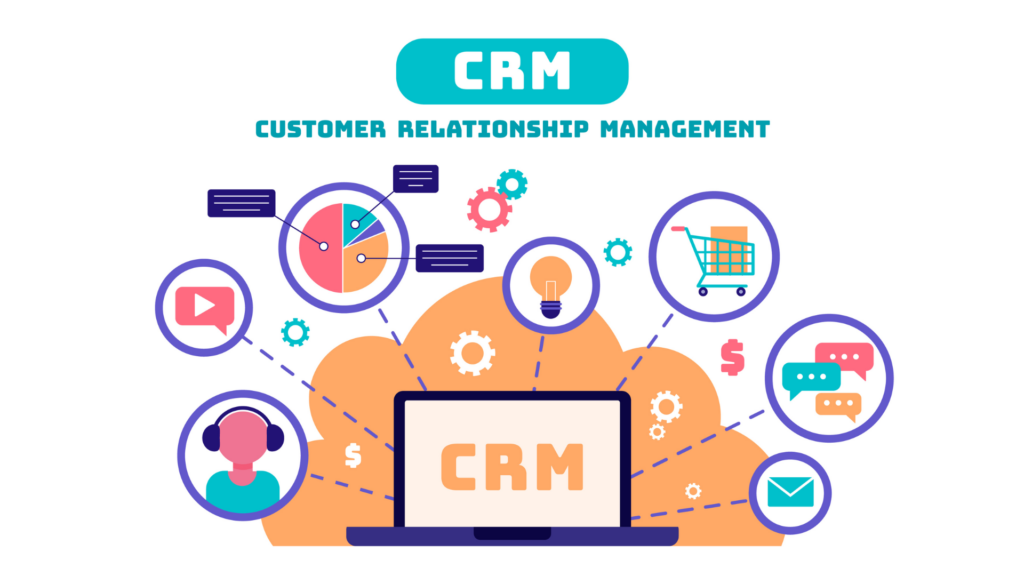
When uploaded into CRM platforms, segmented lists trigger automated workflows based on engagement behavior.
Contacts who open or click can be moved into nurturing sequences, while inactive segments can be re-evaluated or suppressed to protect sender reputation.
In senior care B2B marketing, integrated data transforms isolated campaigns into coordinated revenue programs. Multi-channel alignment strengthens personalization, improves engagement consistency, and accelerates qualified opportunity development.
Common Mistakes to Avoid When Buying Nursing Home Data
Prioritizing Volume Over Data Accuracy
Large datasets may appear valuable, but inflated volume often includes outdated or irrelevant contacts.
High bounce rates damage sender reputation and reduce inbox placement. Accuracy drives engagement, not raw record count.
Ignoring Compliance Verification
Overlooking Segmentation Depth
Limited customization options restrict campaign personalization.
Without role-based, geographic, or facility-size segmentation, messaging becomes generic and response quality declines.
Not Validating Deliverability Standards
Vendors without structured email verification workflows increase the likelihood of invalid addresses.
Syntax checks, domain validation, and bounce monitoring are essential to maintain sender scoring within major email systems.
Choosing Vendors Without Refresh Cycles
How to Choose the Right Nursing Home Email Data Provider?
Selecting the right data provider directly influences campaign ROI, regulatory exposure, and inbox placement rates. In U.S. senior care marketing, where facilities operate under structured compliance oversight, poor data governance can weaken engagement and disrupt sales pipelines. Provider evaluation is a performance decision, not a procurement formality.
Structured due diligence protects long-term outreach efficiency.
Data Sourcing Transparency
A reliable provider discloses how business contacts are collected and categorized.
Clear sourcing logic improves trust, supports audit readiness, and ensures contacts align with licensed nursing facilities rather than unrelated healthcare entities.
Compliance Verification Standards
Vendors should demonstrate alignment with CAN-SPAM and applicable U.S. business communication regulations.
If international outreach is involved, GDPR principles may influence handling practices. Transparent opt-out management and suppression protocols reduce legal and reputational risk.
Data Accuracy and Validation Processes
Ask about validation workflows such as syntax checks, domain authentication, and role confirmation.
Multi-step verification reduces bounce rates and protects sender reputation across major email service platforms.
Segmentation and Customization Capabilities
Robust segmentation allows segmentation by geography, facility size, ownership type, and decision-maker role.
Customization improves targeting precision and supports account-based strategies within regional sales territories.
Refresh Cycles and Deliverability Safeguards
Healthcare administrators frequently change roles.
Providers with periodic refresh cycles, bounce monitoring, and suppression management maintain data relevance and CRM accuracy.
In senior care B2B outreach, disciplined provider evaluation strengthens compliance posture, improves engagement quality, and safeguards sustainable campaign ROI. Data due diligence functions as a competitive advantage in regulated healthcare markets.
Why MedicoLeads Is Built for B2B Senior Care Outreach?
MedicoLeads operates as a performance-driven data partner for organizations targeting nursing homes and senior care facilities across the U.S. healthcare market. Its infrastructure is designed to improve ROI, protect sender reputation, and support compliant outreach within a regulated environment. The focus is not on volume alone, but on measurable engagement quality and operational precision.
Verified Accuracy and Deliverability Infrastructure
MedicoLeads maintains 95%+ contact accuracy supported by a structured 7+ tier data verification process. This includes multi-level validation workflows that reduce outdated or invalid records.
With 85% high email deliverability, campaigns experience lower bounce rates and stronger inbox placement. Reduced bounce exposure protects domain authority and long-term sender credibility.
Compliance-First Data Governance
All contacts are 100% opt-in and aligned with CCPA, EDPB, CASL, GDPR, and CAN-SPAM frameworks.
This compliance posture reduces regulatory risk and supports responsible B2B healthcare communication. In senior care outreach, transparent consent handling strengthens brand trust and audit readiness.
Deep Segmentation for Targeted Activation
The database includes 40+ structured data attributes and 10+ segmentation options.
Marketers can customize by geography, decision-maker role, facility size, and operational classification. This level of granularity enables personalized messaging and coordinated multi-channel activation across email, sales outreach, and CRM workflows.
MedicoLeads functions as long-term data infrastructure for senior care marketing teams. By combining compliance governance, multi-tier validation, and segmentation depth, it supports sustainable campaign performance rather than short-term list acquisition.
Don’t rely on claims. Access a live sample of nursing homes and nursing executives data and validate quality, coverage, and compliance in minutes.
Request a Free Sample DataTurning Data Into Senior Care Growth
Sustainable growth in senior care marketing depends on structured, verified, and segmentation-ready data. Precision targeting ensures outreach reaches the administrators and operational leaders who influence purchasing decisions inside U.S. nursing facilities.
When campaigns are built on validated contact records, engagement quality improves and wasted outreach declines. Segmentation depth enables marketers to align messaging with facility size, geography, and organizational structure. This alignment increases qualified responses and strengthens pipeline velocity.
Compliance governance and opt-in standards reduce regulatory exposure while protecting sender reputation. Clean data, supported by refresh cycles and verification workflows, stabilizes deliverability over time. Inbox placement consistency directly impacts long-term campaign performance.
Integrated nursing home data also supports multi-channel marketing through CRM systems, allowing coordinated engagement across email, sales outreach, and account-based initiatives. Measurable attribution becomes possible when targeting logic is structured and documented.
In senior care B2B marketing, high-quality data is not a short-term tactic. It is operational infrastructure. Organizations that prioritize accuracy, compliance, and segmentation gain a durable advantage in a competitive and regulated healthcare market.